Introduction
Industrial solvents are among the most widely used chemical products in the global manufacturing and processing industry. They play a vital role in sectors such as petrochemicals, paints and coatings, pharmaceuticals, automotive manufacturing, printing, electronics, adhesives, cleaning products, and chemical processing. Solvents are used to dissolve, dilute, extract, clean, and process various materials, making them an essential part of countless industrial operations.
While industrial solvents provide significant operational benefits, many of these substances present safety risks during transportation. Some solvents are highly flammable, volatile, toxic, corrosive, or environmentally hazardous. Improper transportation can result in accidents, spills, fires, environmental contamination, injuries, regulatory violations, and substantial financial losses.
As industrial solvent trade continues to grow globally, businesses must ensure that products are transported safely and in compliance with local and international regulations. Safe transportation practices help protect workers, communities, infrastructure, and the environment while maintaining supply chain efficiency and regulatory compliance.
This guide explores the most important safe transportation practices for industrial solvents and explains how businesses can minimize risks throughout the logistics process.
Why Transportation Safety Matters
The transportation of industrial solvents involves unique challenges because many products are classified as hazardous materials.
Without proper safety measures, transportation incidents can lead to:
- Fires and explosions
- Chemical spills
- Environmental damage
- Health hazards
- Property damage
- Shipment delays
- Regulatory penalties
- Legal liabilities
Safe transportation practices help organizations:
- Protect employees and drivers
- Ensure public safety
- Maintain product quality
- Comply with regulations
- Reduce financial risks
- Improve operational efficiency
Companies that prioritize transportation safety often experience fewer disruptions and stronger customer confidence.
Understanding the Risks Associated with Industrial Solvents
Before developing transportation procedures, businesses must understand the risks associated with the solvents they handle.
Different solvents have different physical and chemical properties that affect transportation requirements.
Common risks include:
Flammability
Many industrial solvents ignite easily when exposed to heat, sparks, or open flames.
Toxicity
Certain solvents can cause health issues if inhaled, ingested, or absorbed through the skin.
Volatility
Some solvents evaporate quickly, increasing exposure risks and fire hazards.
Environmental Impact
Chemical spills may contaminate soil, water sources, and ecosystems.
Reactivity
Certain solvents can react dangerously when mixed with incompatible substances.
Identifying these risks helps organizations implement appropriate transportation controls and emergency response measures.
Conducting a Transportation Risk Assessment
Risk assessment should be the starting point for every industrial solvent shipment.
A comprehensive risk assessment evaluates:
- Product hazards
- Transportation routes
- Vehicle suitability
- Packaging requirements
- Weather conditions
- Emergency response capabilities
The assessment process helps identify potential risks before shipments begin.
Organizations should regularly review and update risk assessments to reflect changes in products, regulations, and transportation conditions.
Effective planning significantly reduces the likelihood of transportation incidents.
Proper Chemical Classification
Accurate chemical classification is essential for safe transportation.
Regulatory authorities require hazardous materials to be classified according to internationally recognized standards.
Classification typically considers:
- Flammability
- Toxicity
- Corrosiveness
- Environmental hazards
- Physical properties
Proper classification determines:
- Packaging requirements
- Labeling standards
- Documentation obligations
- Vehicle requirements
- Emergency procedures
Incorrect classification can create safety hazards and regulatory violations.
Businesses should verify classifications before every shipment to ensure compliance.
Selecting Approved Packaging Materials
Packaging plays a critical role in transportation safety.
Industrial solvents must be packaged in containers that are specifically designed to withstand transportation conditions and prevent leaks.
Suitable packaging should provide:
- Chemical resistance
- Structural strength
- Leak prevention
- Temperature tolerance
- Impact protection
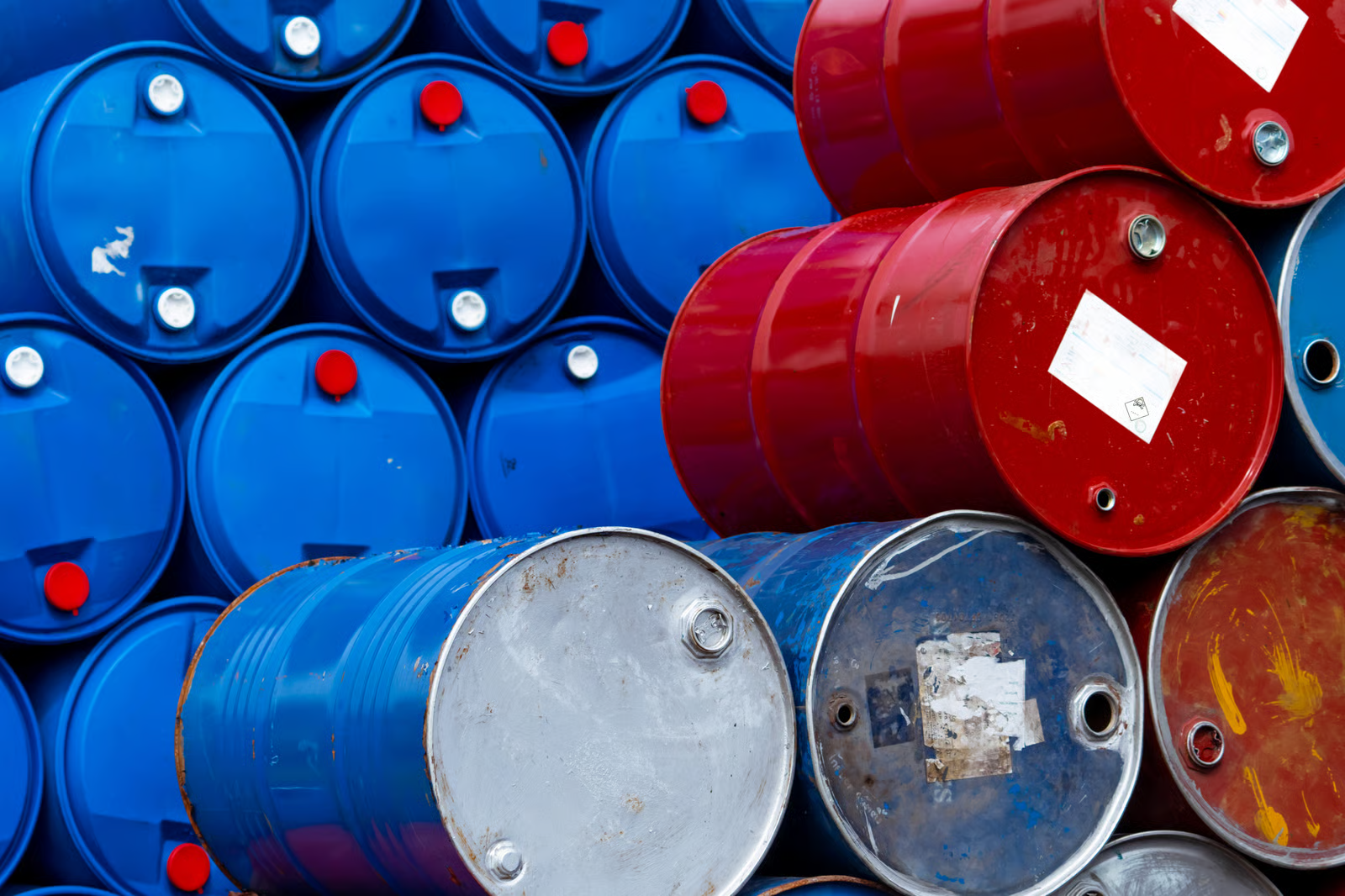
Common packaging options include:
Steel Drums
Widely used for transporting large volumes of industrial solvents.
Plastic Drums
Suitable for certain chemical products with compatible properties.
Intermediate Bulk Containers (IBCs)
Used for larger shipments requiring efficient handling.
Tank Containers
Ideal for transporting bulk liquid chemicals internationally.
All packaging should meet applicable regulatory standards and undergo regular inspections.
Ensuring Proper Labeling and Marking
Labels and markings provide essential safety information throughout the transportation process.
Every package containing industrial solvents should display clear and accurate labels.
Required information often includes:
- Product name
- Hazard classifications
- Warning symbols
- Handling instructions
- Emergency contact information
Proper labeling helps:
- Protect transportation personnel
- Support emergency responders
- Improve regulatory compliance
- Reduce handling errors
Illegible or incorrect labels can create significant safety risks and compliance issues.
Preparing Accurate Transportation Documentation
Documentation is a key component of safe chemical transportation.
Required documents may include:
- Commercial invoices
- Packing lists
- Bills of lading
- Safety Data Sheets (SDS)
- Dangerous Goods Declarations
- Emergency response information
Accurate documentation helps:
- Ensure regulatory compliance
- Support customs clearance
- Guide transportation personnel
- Facilitate emergency response
Organizations should verify all documentation before shipments are released for transport.
Vehicle Selection and Maintenance
The transportation vehicle must be suitable for the specific solvent being shipped.
Factors to consider include:
- Product hazards
- Shipment volume
- Route conditions
- Environmental factors
Vehicles used for hazardous chemical transportation should undergo regular inspections and maintenance.
Important vehicle checks include:
Brake Systems
Properly functioning brakes reduce accident risks.
Tire Condition
Well-maintained tires improve vehicle stability and safety.
Leak Prevention Systems
Vehicles should be equipped to prevent and contain spills.
Emergency Equipment
Required safety equipment should be readily available.
Routine maintenance helps reduce breakdowns and transportation incidents.
Driver Training and Competency
Drivers play a critical role in transportation safety.
Personnel responsible for transporting industrial solvents should receive specialized training covering:
- Hazardous material regulations
- Safe driving practices
- Chemical handling procedures
- Emergency response protocols
- Spill containment techniques
Training helps drivers:
- Recognize hazards
- Respond appropriately during emergencies
- Follow regulatory requirements
- Minimize transportation risks
Regular refresher training ensures that drivers remain informed about changing regulations and safety practices.
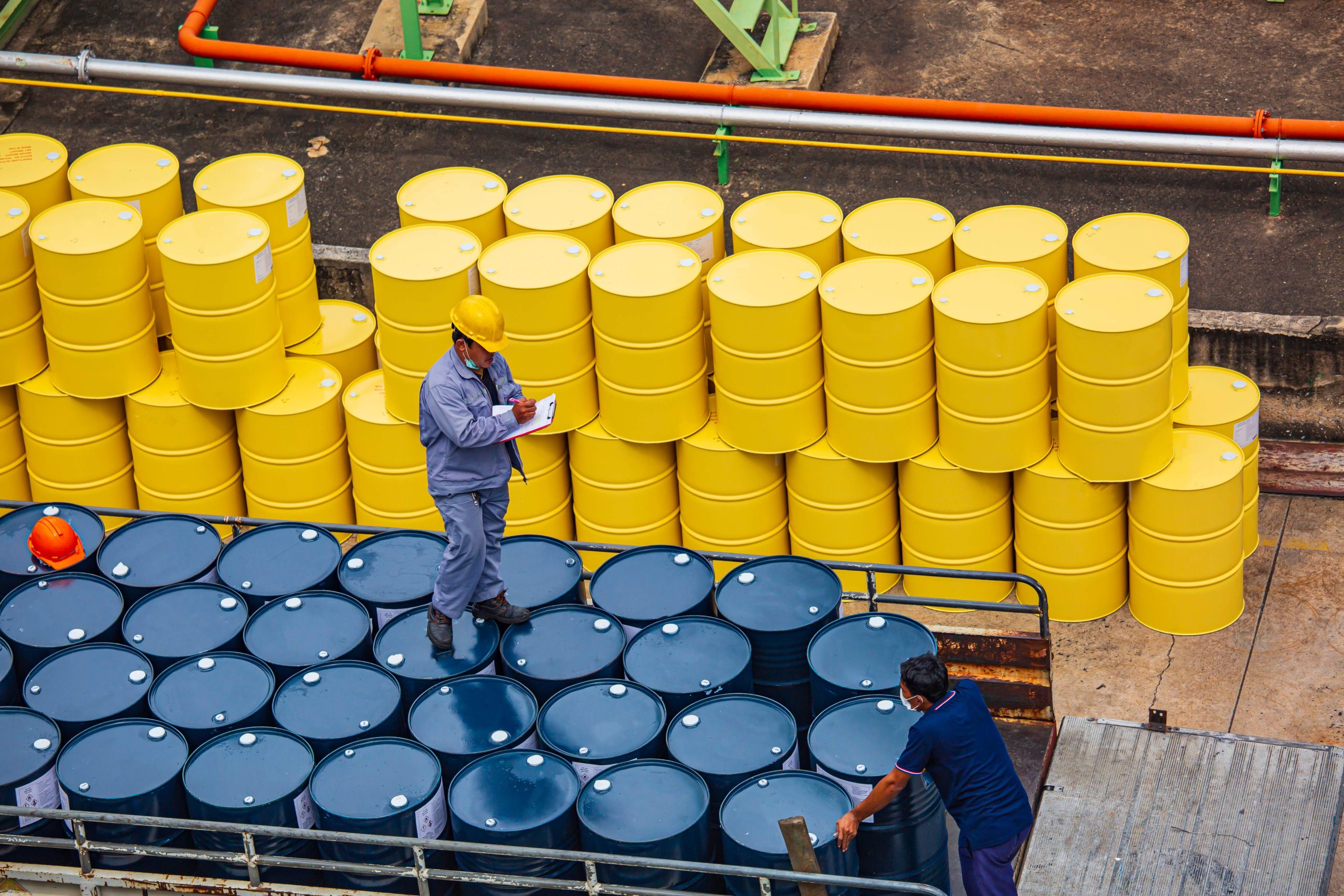
Safe Loading and Unloading Procedures
Many transportation incidents occur during loading and unloading operations.
Proper procedures help reduce accidents and product losses.
Best practices include:
Inspecting Containers
Containers should be checked for damage before handling.
Verifying Labels
Personnel should confirm product identity and hazard information.
Using Appropriate Equipment
Specialized equipment helps prevent spills and injuries.
Following Handling Procedures
Employees should adhere to established safety protocols.
Monitoring Operations
Supervision helps ensure compliance with safety requirements.
Careful loading and unloading procedures contribute significantly to transportation safety.
Route Planning and Risk Management
Route planning is an important aspect of hazardous material transportation.
When selecting transportation routes, businesses should consider:
- Traffic conditions
- Road quality
- Population density
- Environmental sensitivity
- Emergency response availability
Route planning helps reduce exposure to potential risks and improves emergency preparedness.
Organizations should also develop contingency plans for unexpected disruptions such as:
- Severe weather
- Road closures
- Vehicle breakdowns
- Traffic accidents
Proactive planning improves overall transportation reliability.
Emergency Preparedness and Response
Even with strong safety measures, emergencies can still occur.
Every organization transporting industrial solvents should maintain comprehensive emergency response plans.
Emergency preparedness should include:
Spill Response Procedures
Clear instructions help personnel contain and manage spills quickly.
Fire Response Plans
Procedures should address fire hazards associated with flammable solvents.
Emergency Contact Lists
Important contacts should be readily available.
Incident Reporting Systems
Organizations should document and investigate incidents.
Emergency Equipment
Vehicles should carry appropriate safety supplies and response kits.
Preparedness reduces the severity of incidents and improves response effectiveness.
Spill Prevention and Containment Measures
Chemical spills represent one of the most significant transportation risks.
Businesses should implement measures to prevent spills before they occur.
Preventive actions include:
- Regular container inspections
- Secure cargo restraint systems
- Proper packaging selection
- Employee training
- Vehicle maintenance programs
Spill containment measures may include:
- Absorbent materials
- Containment barriers
- Emergency response kits
- Protective equipment
Rapid spill response helps minimize environmental and financial impacts.
Regulatory Compliance Requirements
Industrial solvent transportation is governed by numerous regulations designed to protect public safety and the environment.
Regulatory requirements often address:
- Hazard classification
- Packaging standards
- Vehicle specifications
- Driver qualifications
- Documentation requirements
- Emergency response planning
Compliance is essential because violations can result in:
- Financial penalties
- Shipment delays
- License suspensions
- Legal liabilities
Businesses should regularly monitor regulatory updates and maintain strong compliance programs.
Protecting Product Quality During Transportation
Transportation safety involves more than preventing accidents.
Maintaining product quality is also important.
Factors that can affect solvent quality include:
Temperature Exposure
Extreme temperatures may alter product characteristics.
Contamination Risks
Improper handling can introduce contaminants.
Packaging Damage
Damaged containers may compromise product integrity.
Prolonged Transit Times
Extended transportation periods can affect certain products.
Organizations should implement quality control measures throughout the transportation process.
Leveraging Technology for Transportation Safety
Modern technology is helping companies improve transportation safety and efficiency.
Common solutions include:
GPS Tracking Systems
Real-time tracking improves shipment visibility.
Fleet Monitoring Software
Businesses can monitor vehicle performance and driver behavior.
Electronic Documentation Systems
Digital records improve accuracy and accessibility.
Predictive Maintenance Tools
Technology helps identify maintenance needs before failures occur.
Route Optimization Software
Advanced systems improve transportation efficiency and reduce risks.
Technology continues to play an increasingly important role in chemical logistics management.
Building a Strong Safety Culture
Transportation safety depends on more than policies and procedures.
Organizations should create a culture where safety is a core business priority.
Key elements of a strong safety culture include:
- Leadership commitment
- Employee involvement
- Continuous training
- Open communication
- Incident reporting
- Continuous improvement
When safety becomes part of everyday operations, organizations are better positioned to prevent accidents and maintain compliance.
Common Transportation Mistakes to Avoid
Businesses should be aware of common errors that increase transportation risks.
These include:
- Incorrect product classification
- Inadequate packaging
- Missing documentation
- Poor driver training
- Insufficient vehicle maintenance
- Improper cargo securing
- Weak emergency planning
- Failure to follow regulations
Avoiding these mistakes can significantly improve transportation performance and safety outcomes.
Future Trends in Industrial Solvent Transportation
Several developments are expected to shape the future of chemical transportation.
Stronger Regulatory Oversight
Governments continue to enhance safety requirements.
Digital Supply Chains
Technology will improve shipment visibility and compliance management.
Sustainability Initiatives
Businesses are seeking more environmentally responsible transportation methods.
Advanced Packaging Solutions
New packaging technologies improve safety and reduce environmental impact.
Enhanced Risk Monitoring
Data analytics will help organizations identify and manage risks more effectively.
Companies that adapt to these trends will strengthen their competitive position and operational resilience.
Conclusion
The safe transportation of industrial solvents is essential for protecting people, property, products, and the environment. Because many solvents are classified as hazardous materials, businesses must implement comprehensive safety measures covering classification, packaging, labeling, documentation, vehicle management, employee training, emergency preparedness, and regulatory compliance.
Effective transportation safety programs reduce accidents, minimize operational disruptions, improve product quality, and support long-term business success. By following established best practices and continuously improving transportation processes, organizations can safely move industrial solvents through global supply chains while maintaining compliance and operational excellence.
As international chemical trade continues to expand, companies that prioritize transportation safety will be better equipped to manage risks, meet customer expectations, and achieve sustainable growth in increasingly complex global markets.